Books
Published works
Comprehensive guides on behavioural security and human cyber risk management. Each book offers practical, evidence-based strategies grounded in psychology, behavioural science, and real-world application.
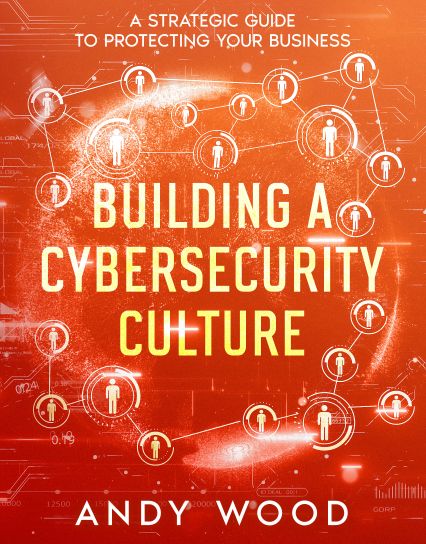
BCC
Building a Cyber Security Culture
A Strategic Guide to Protecting Your Business
Your comprehensive roadmap to creating a culture where every employee actively engages in security efforts - addressing the why and equipping you with the how to transform your weakest link into your strongest defence.
- Global security landscape and challenges
- Psychology driving security awareness
- Culture, strategy, and security connection
- Foundation for long-term resilience
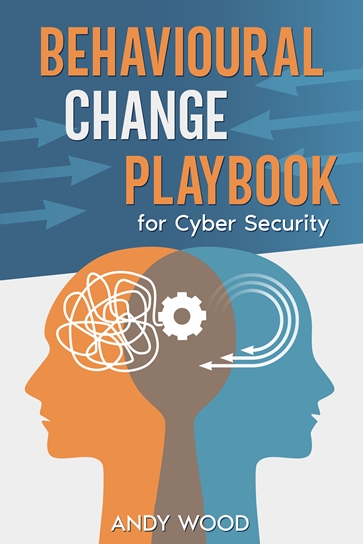
BCP
Behaviour Change Playbook
For Cyber Security
Your ultimate guide to transforming cybersecurity behaviours using proven behavioural science frameworks. Features the Behaviour Change Wheel with step-by-step implementation strategies.
- BCW framework and behaviour change techniques
- Real-world case studies included
- Practical intervention design tools
- Measurable outcomes and KPIs

DCVd
DECEIVED
Why We Click, Trust, and Get Hacked
Explore the hidden psychological forces that make us vulnerable to cyberattacks. From phishing to AI-driven manipulation, learn how attackers exploit trust, fear, and urgency - and how to build psychological resilience.
- Cognitive biases and cyber threats
- Social engineering tactics exposed
- AI and deepfake manipulation
- Building psychological defences

RSC
The Rise of the Security Champion
From Awareness to Action
Unlock the untapped power of Security Champions - everyday employees transformed into security advocates. Your step-by-step guide to creating a Champions network that transforms your organisation's security posture.
- Champion identification and recruitment
- Practical frameworks and strategies
- Measuring success and momentum
- Human-first cybersecurity approach
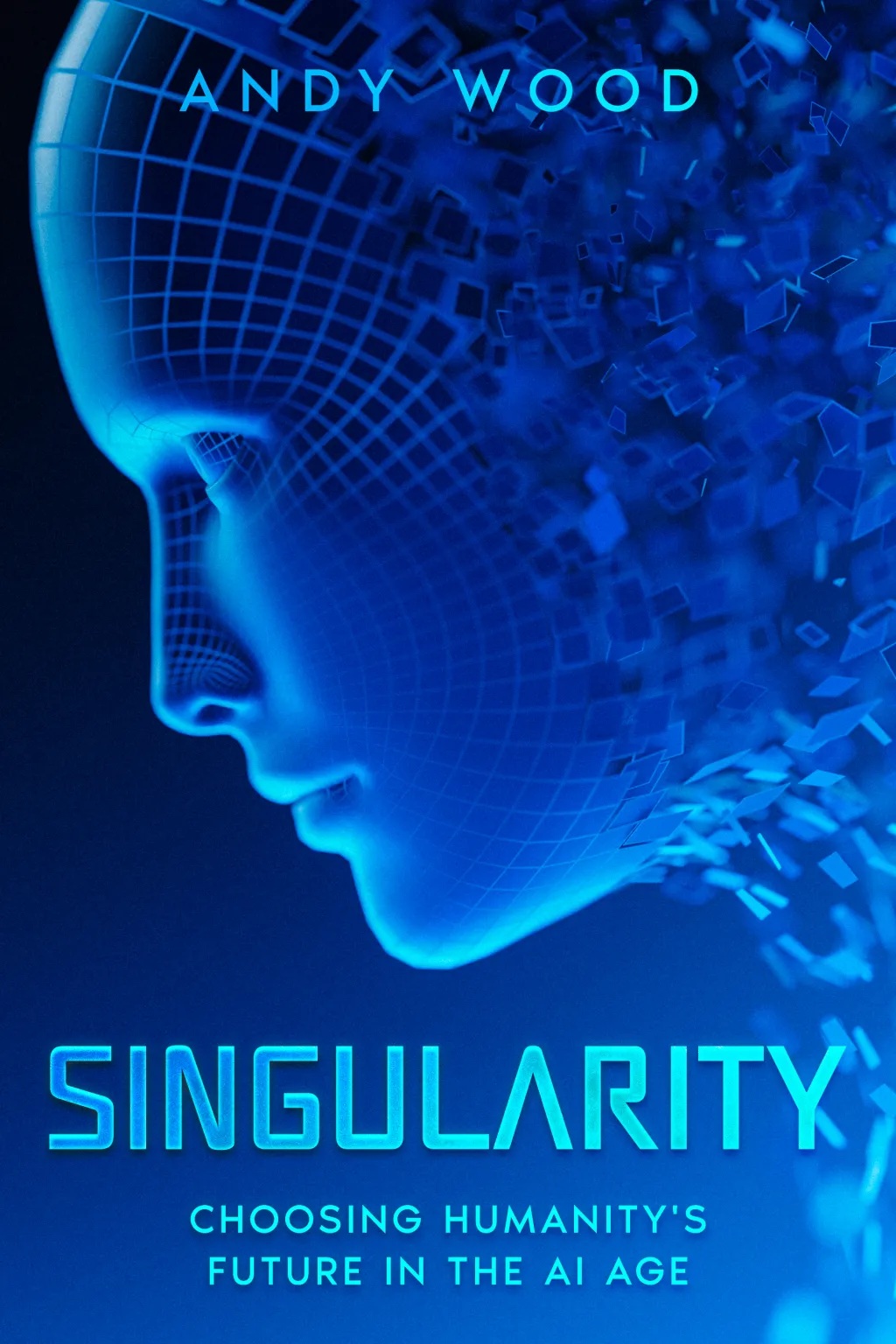
SNGL
SINGULARITY
Choosing Humanity's Future in the AI Age
A journey through the paradox of AI - from life-saving technology to sophisticated deception. Explore how Artificial Intelligence shapes our present and could redefine our future, with a roadmap for navigating this transformation wisely.
- Current AI landscape and impact
- Path to Artificial General Intelligence
- Ethical AI and human responsibility
- Preparing for technological singularity